
Summarize with AI
LinkedIn has 277% better lead generation than Facebook and Twitter combined.
Yet most B2B companies are still fumbling in the dark, posting generic content and hoping the right customers magically appear.
The real game isn't just being on social media but knowing exactly where your customers hang out and what they're saying when you're not looking.
TL;DR
Finding B2B customers on social media requires strategic platform selection and systematic outreach methods.
LinkedIn dominates with 89% of B2B marketers using it for lead generation, but Facebook Groups, Twitter/X, Reddit, and Quora offer untapped opportunities for discovery.
The 10 proven methods include LinkedIn Sales Navigator targeting, social listening, industry group engagement, targeted ads, content marketing, employee advocacy, conversation participation, intent data tracking, competitor analysis, and problem-based discovery on Reddit/Quora.
Success comes from combining multiple platforms with data-driven tools, as evidenced by companies like Microsoft Teams achieving 38% follower growth through strategic social execution. 60% of B2B marketers are increasing their social budgets in 2025, signaling a permanent shift from cold outreach to social selling.
Why Social Media for B2B Customer Discovery?
The B2B buying process has fundamentally changed. 75% of B2B buyers now use social media to inform their purchase decisions, and 84% of C-level executives are influenced by social content when evaluating vendors.
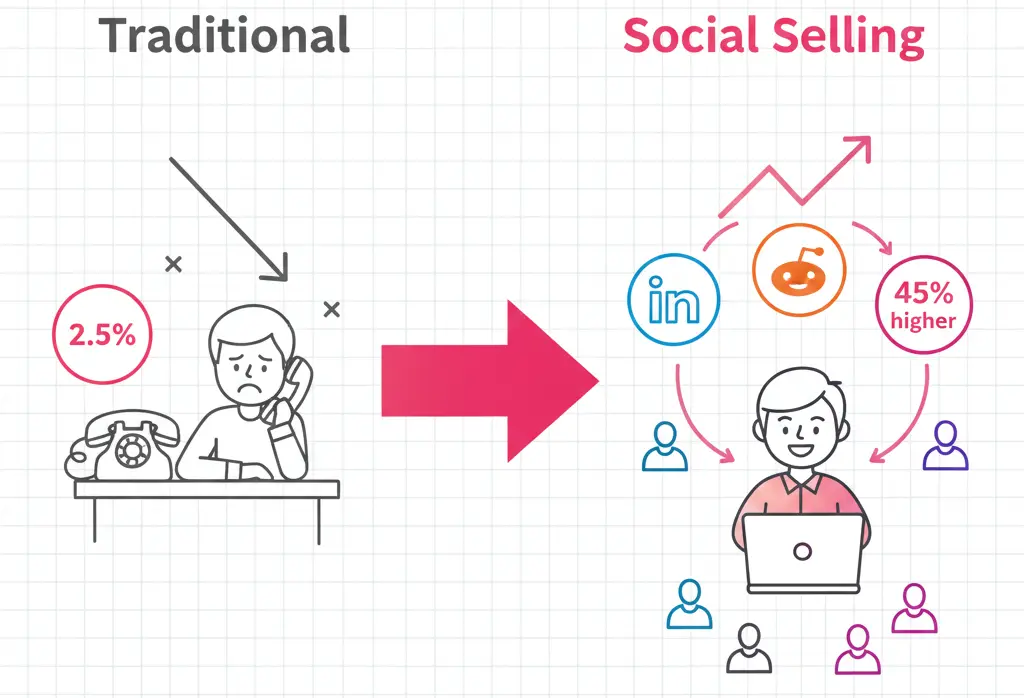
Traditional cold calling delivers a 2.5% success rate. Social selling? Try 45% higher close rates according to recent B2B marketing data.
Here's what shifted: decision-makers don't wait for sales calls anymore. They research independently, join communities, ask peers for recommendations, and vet vendors long before raising their hand.
Social media transformed from a "nice to have" into the primary discovery channel. Your ideal customers are already there, discussing their problems, comparing solutions, and signaling buying intent. The question isn't whether to use social media for B2B customer discovery—it's whether you can afford not to.
The companies winning in 2025 aren't broadcasting messages. They're listening, engaging in conversations where buying signals emerge, and positioning themselves as helpful resources before the RFP even exists.
The 4 Best Platforms for Finding B2B Customers
Not all social platforms deliver equal B2B results. Here's where your customers actually spend time—and how to find them.
LinkedIn: The Obvious (But Essential) Choice
89% of B2B marketers use LinkedIn for lead generation, and for good reason. The platform delivers 277% more effective lead generation than Facebook and Twitter.
LinkedIn's power lies in its professional context. Every profile is essentially a self-maintained database of job titles, industries, company sizes, and professional interests. Sales Navigator turns this into a precision targeting machine, letting you filter by seniority, company growth signals, recent job changes, and active engagement patterns.
The platform rewards consistent presence over sporadic campaigns. Strategic B2B social approaches show that companies posting 2-5 times weekly generate 2x more engagement than those posting daily.
Facebook Groups: The Community Goldmine
Everyone dismisses Facebook for B2B. Big mistake.
Private Facebook Groups host some of the most engaged B2B communities online. Think niche SaaS user groups, industry-specific mastermind communities, and professional associations. These groups facilitate peer-to-peer conversations where buying signals emerge naturally—"What tool do you use for…?" or "Anyone tried X software?"
The B2B advertising potential on Facebook remains underutilized, with cost-per-lead often 40-60% lower than LinkedIn.
Twitter/X: Real-Time Intelligence
Twitter excels at three things: industry news, thought leadership, and direct access to decision-makers. 67% of B2B buyers say Twitter influences their vendor selection.
The platform's real value is velocity. Conversations happen in real-time, trending topics surface emerging needs, and advanced search operators let you find prospects discussing specific problems right now.
Reddit & Quora: The Contrarian Play
Here's the spicy take everyone ignores: Reddit and Quora outperform LinkedIn for early-stage problem discovery.
While LinkedIn shows you who might need your solution, Reddit and Quora show you exactly what problems people are trying to solve—in their own words, with context, frustrations, and budget signals included. These platforms host thousands of buying-intent conversations daily that never make it to LinkedIn's polished professional feed.
Subreddits like r/SaaS, r/Entrepreneur, r/startups, and industry-specific communities contain unfiltered discussions about tool shortcomings, feature requests, and "what should I use for…" threads. Quora spaces organized by industry or function similarly surface qualified prospects asking detailed questions. The free Reddinbox subreddit finder is a quick way to map the right Reddit communities for your niche before you start monitoring.
The challenge? Manual monitoring doesn't scale. You need systematic approaches to surface high-intent conversations across thousands of communities—but when you do, you're reaching prospects at the exact moment they're evaluating solutions, before your competitors even know the opportunity exists.
10 Proven Methods to Find B2B Customers on Social Media
Platform selection matters, but execution determines results. These proven client acquisition methods work across industries and company sizes.
1. LinkedIn Sales Navigator: Beyond Basic Search
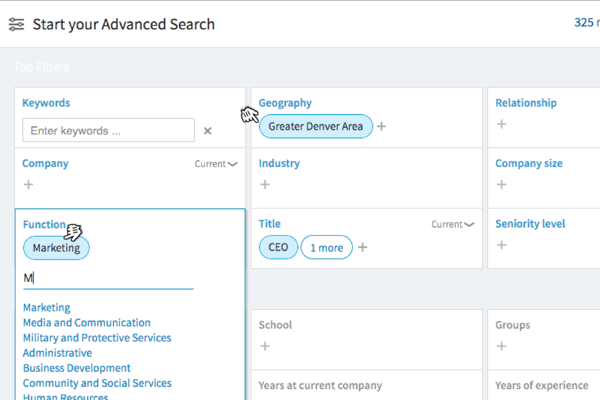
Sales Navigator isn't just advanced search—it's a relationship intelligence system. The Lead Builder feature lets you save searches combining job title, geography, company size, industry, and behavioral signals like recent posts or job changes.
The real power? Lead recommendations based on your saved searches and account preferences. Navigator learns which profiles you engage with and surfaces similar prospects automatically.
Pro move: Set up alerts for job changes in your target accounts. New VP of Sales hired? Perfect timing for outreach.
2. Social Listening: Track Conversations at Scale
Social listening tools monitor brand mentions, competitor discussions, industry keywords, and problem statements across platforms. While comprehensive customer research requires multiple methods, social listening delivers real-time intelligence.
Set up monitoring for:
- Your product category + "looking for"
- Competitor names + "alternative" or "switching from"
- Industry pain points + "solution" or "tool"
- Budget cycle keywords ("Q1 planning", "evaluating software")
78% of sales professionals using social selling tools outsell peers not using them.
3. Join (and Participate in) Industry-Specific Groups
Lurking doesn't count. Active participation in 5-10 highly relevant groups generates more qualified leads than passive presence in 100.
Answer questions without pitching. Share relevant insights. Ask thoughtful questions. Position yourself as helpful, not salesy. When someone posts "Looking for recommendations for [your category]," you'll already have established credibility.
4. Deploy Targeted Social Ads with Precision
B2B social selling strategies show that paid social delivers when targeting is surgical. Don't run generic brand awareness campaigns—build audiences around specific signals.
Target combinations like:
- Job title: Director of Marketing
- Company size: 50-200 employees
- Interests: Marketing automation, analytics
- Behaviors: Recently engaged with competitor content
Test LinkedIn lead gen forms against website conversion campaigns. Often the higher cost-per-lead on LinkedIn delivers better MQL-to-SQL conversion rates than cheaper Facebook leads.
5. Content-Based Lead Magnets
Gated content works when it delivers immediate, tactical value. Create calculators, templates, frameworks, or research reports addressing specific problems your ICP faces.
Promote through organic posts, boosted content to warm audiences, and retargeting to website visitors. The key: make the ungated teaser valuable enough that people want more.
6. Employee Advocacy Programs
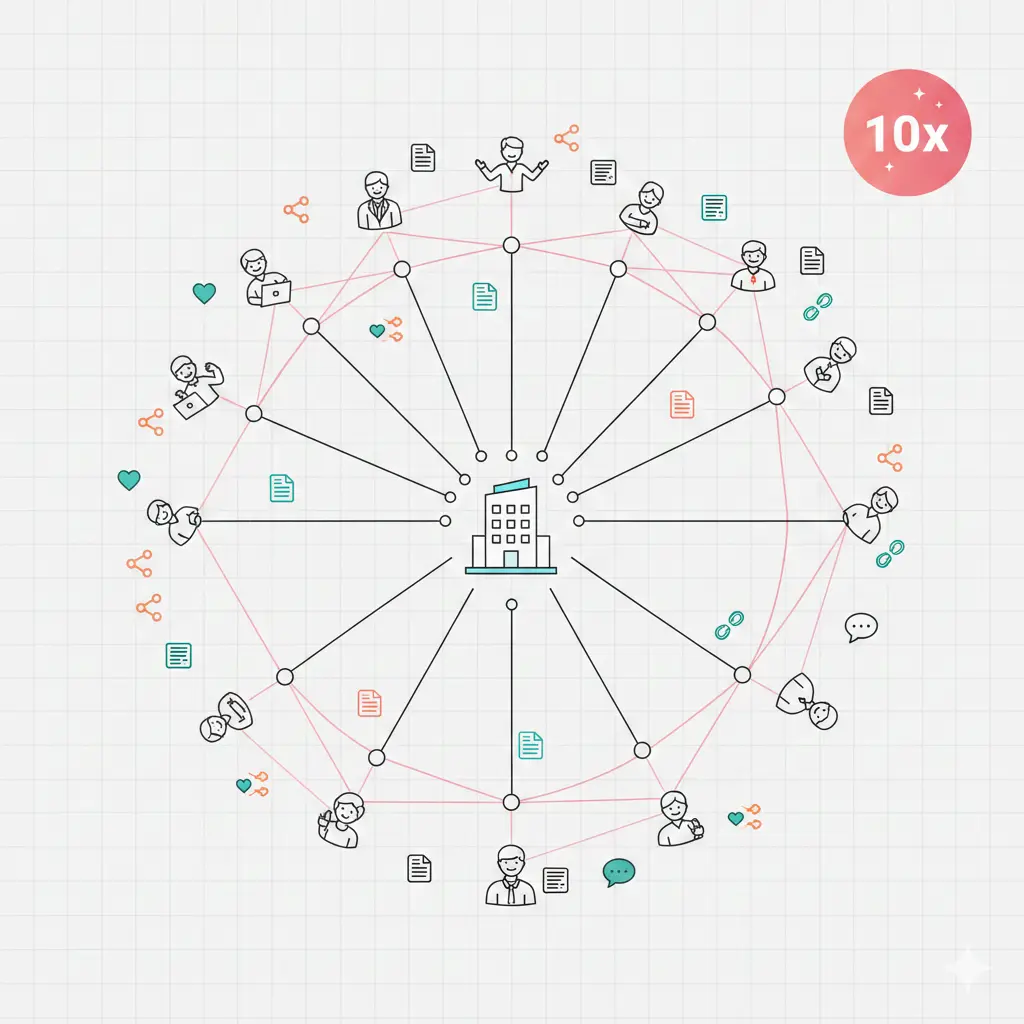
Your team has 10x more combined reach than your company page. Effective connection strategies leverage employees' personal networks authentically.
Provide pre-written posts employees can customize. Encourage sharing industry news, company milestones, and helpful resources. Track engagement to understand what resonates with different audience segments.
7. Engage in Relevant Conversations (Don't Just Post)
Commenting on prospects' posts generates 3x more visibility than standalone posting. LinkedIn's algorithm prioritizes content sparking conversation.
Build a "VIP engage list" of 50-100 ideal customer profiles and target accounts. Spend 10 minutes daily engaging with their content—thoughtful comments, not generic "Great post!" reactions.
This positions you in their awareness before any outreach. When you eventually connect or message, you're not a stranger.
8. Intent Data & Signal Tracking
Intent data platforms monitor which companies are researching topics related to your solution. Combined with social signals—like who's sharing competitor content or discussing relevant challenges—you identify prospects actively in-market.
Layer firmographic filters (company size, industry, growth stage) with behavioral signals (content consumption, technology stack, hiring patterns) to prioritize outreach.
9. Competitor Analysis: Monitor Their Audiences
Your competitors' followers and engaged audiences are pre-qualified prospects. They've already demonstrated interest in your category.
On LinkedIn, view "People Also Viewed" profiles from competitor employees. On Twitter, analyze who follows competitor accounts and engages with their content. Facebook groups hosting competitor customers often welcome alternative perspectives.
Don't poach aggressively—provide value where competitors fall short.
10. Reddit/Quora Problem Discovery (The Reddinbox Approach)
Here's where most B2B strategies fail: they focus exclusively on platforms where prospects are already solution-aware. Reddit and Quora capture earlier-stage problem awareness.
Search Quora spaces and Reddit communities for:
- "Alternative to [competitor]" discussions
- Feature request threads showing unmet needs
- Troubleshooting posts indicating tool limitations
- "What tool should I use for..." questions
The manual approach doesn't scale—you'd need to monitor thousands of threads daily. Tools like Reddinbox analyze social conversations at scale, surfacing high-intent discussions automatically and helping you understand exactly what your target audience cares about before they reach LinkedIn.
Essential Tools for B2B Social Customer Discovery
The right tools transform social media from time-sink to revenue channel. Here's what actually delivers ROI.
LinkedIn Sales Navigator remains non-negotiable for serious B2B prospecting. The Premium Business plan ($79.99/month) provides 25 InMail credits and unlimited searches—worth it if you're generating even one qualified meeting monthly.
Social listening platforms like Hootsuite, Sprout Social, or Mention track brand mentions and keyword conversations across networks. These tools answer "who's discussing my category right now?" at scale.
Analytics and tracking matters more than vanity metrics. Connect social profiles to your CRM to measure actual pipeline contribution, not just engagement rates. Track which platforms drive MQLs, which content themes generate demos, and which audience segments convert.
Building an effective B2B strategy requires aligning tools with specific goals—awareness, consideration, or conversion—rather than trying to optimize everything simultaneously.
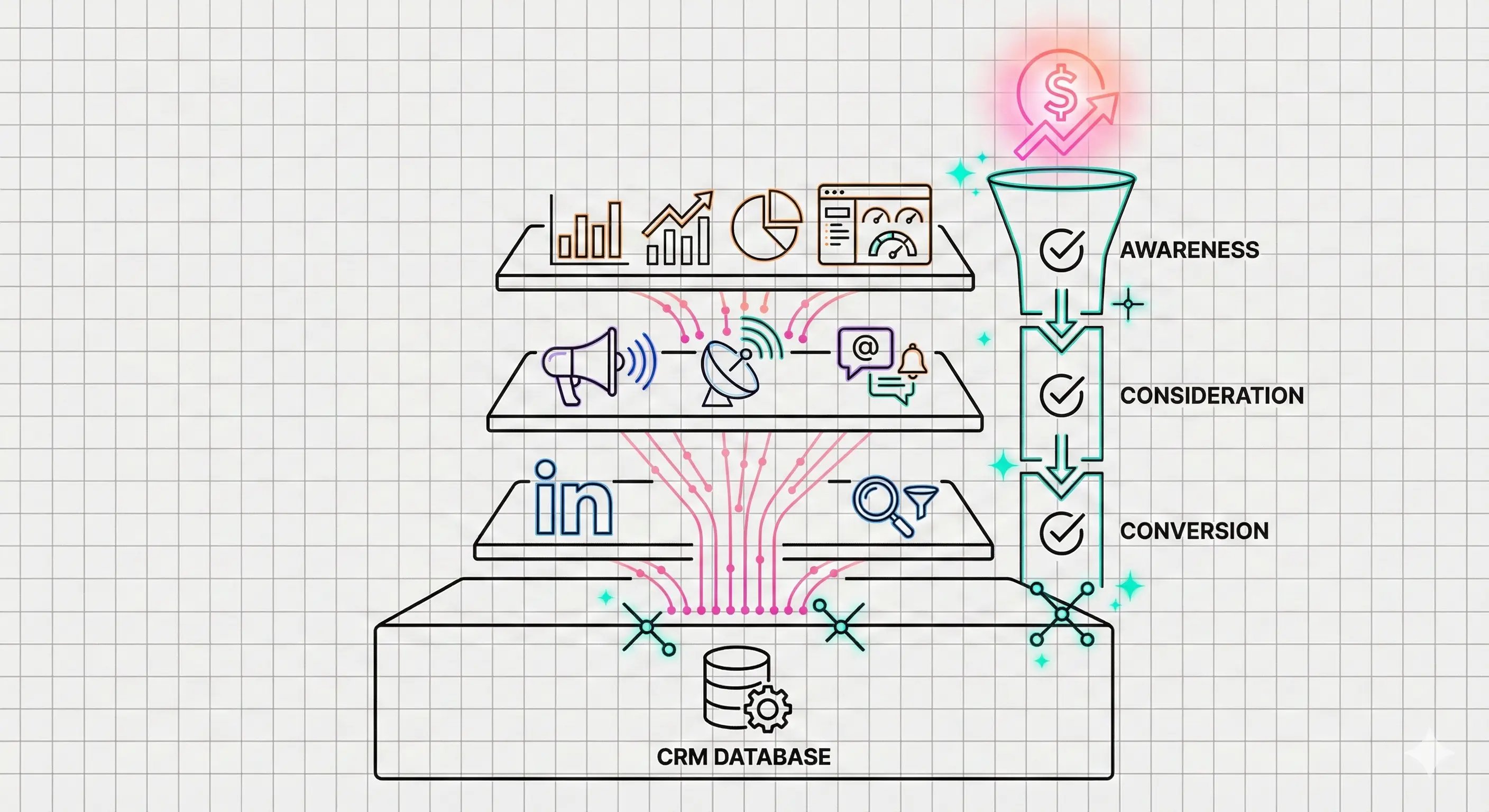
Reddinbox specializes in the gap most tools miss: analyzing Reddit and Quora conversations to surface buying intent, competitor mentions, and audience pain points. Instead of manually monitoring thousands of threads, the platform identifies high-value discussions automatically—helping you find prospects at the problem-awareness stage before they hit LinkedIn.
The best tool stack combines platform-native tools (Sales Navigator for LinkedIn) with cross-platform monitoring (social listening) and specialized solutions for underutilized channels (Reddinbox for Reddit/Quora intelligence).
Real Companies Winning with B2B Social Discovery
Theory is great. Results are better. These B2B social media case studies demonstrate what systematic social selling delivers.
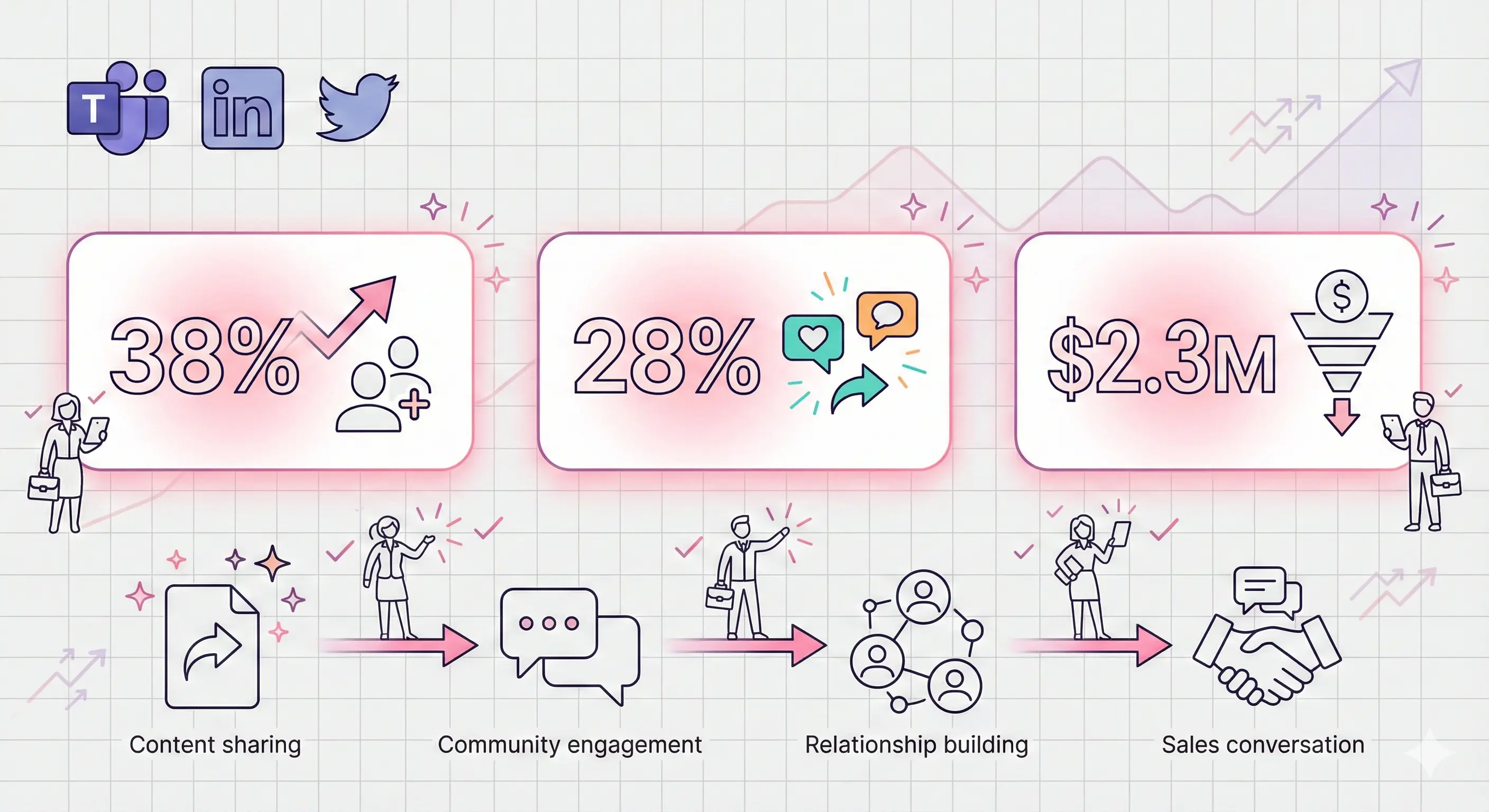
Microsoft Teams executed a strategic LinkedIn and Twitter campaign focusing on collaboration challenges remote teams faced. The results? 38% follower increase and 28% engagement boost over six months. More importantly, they tracked these social engagements to $2.3M in attributed pipeline.
The key: they didn't pitch Teams. They shared valuable remote work insights, hosted Twitter Spaces on hybrid collaboration, and engaged authentically with prospects' content. Sales conversations emerged naturally from established relationships.
A B2B SaaS company testing TikTok (yes, TikTok for B2B) created educational content about data visualization best practices. Their 90-day experiment generated 548 qualified leads, 2,446 total engagements, and proved that platform assumptions don't always hold.
Their secret? They targeted data analysts and business intelligence professionals with genuinely helpful content—no corporate speak, no hard selling, just tactical insights presented engagingly.
An IT services firm systematically monitored Reddit's r/sysadmin and r/msp communities for six months. By answering technical questions and sharing troubleshooting guides without self-promotion, they built credibility. When they finally mentioned their managed services offering in relevant contexts, they generated 23 discovery calls from Redditors who'd seen their helpful comments over time.
The pattern across successful B2B social programs: value first, relationships second, sales conversations third. Companies treating social platforms as broadcast channels get ignored. Those treating them as relationship-building ecosystems generate consistent pipeline.
B2B Social Media Trends Reshaping Customer Discovery in 2025
The landscape is shifting faster than most B2B companies realize. These emerging B2B social trends separate leaders from laggards.
60% of B2B marketers are increasing their paid social budgets this year—the highest percentage in five years. This isn't just spending more; it's acknowledging that organic reach alone doesn't scale customer acquisition.
B2B TikTok adoption jumped 156% year-over-year among enterprise companies. Financial services, SaaS, and professional services brands are testing short-form video to reach younger decision-makers entering buying committees. Early adopters report 40-50% lower CPM than LinkedIn while targeting similar job titles.
AI-powered targeting and personalization is moving from experimental to standard. Platforms now predict purchase intent based on content consumption patterns, engagement history, and professional trajectory. LinkedIn's new predictive audiences identify prospects likely to convert based on lookalike modeling from your existing customers.
Employee advocacy has matured beyond "please share company posts." Sophisticated programs now provide employees with personalized content recommendations matching their network's interests, track attributed engagement, and measure pipeline contribution per advocate.
The meta-trend underlying everything: authenticity beats polish. Overly produced content underperforms raw, helpful insights. Decision-makers engage with people, not corporate accounts. The B2B buyers coming into power grew up on social media—they can smell manufactured authenticity instantly.
Companies adapting to these shifts aren't just finding more customers on social media. They're fundamentally changing how they build relationships, establish credibility, and create buying preference before formal sales conversations even begin.
Start Finding B2B Customers Today
Finding B2B customers on social media isn't complicated—it's systematic. Pick two platforms where your ICP actually spends time. Set up monitoring for buying signals and competitor mentions. Engage authentically for 30 days before pitching anything.
The companies generating consistent pipeline from social aren't doing anything magical. They're showing up consistently, providing value generously, and using the right tools to identify high-intent conversations at scale.
Ready to discover what your target customers are actually saying on Reddit and Quora? Try Reddinbox to surface buying signals and pain points your competitors are missing.
FAQs
How do I get B2B buyers to notice my LinkedIn posts — company page vs people posting?
People buy from people. Personal profiles typically get significantly more reach and engagement than company pages because algorithms favor individual interaction. Use employee advocacy to amplify company content through personal networks.
Is LinkedIn advertising actually worth the spend — how do I stop burning budget with little ROI?
Yes, but only with precise targeting. Stop boosting posts blindly and use Sales Navigator data or matched audiences to target specific job titles and companies. Focus on high-value content downloads or lead gen forms rather than generic awareness.
What are low-cost or no-cost ways to get the first 5–10 B2B customers via social channels?
Engage directly in niche communities on Reddit, Facebook, or Slack where your prospects discuss problems. Provide helpful, non-salesy answers that position you as an expert. Cold DM prospects specifically mentioned in those discussions offering value, not a pitch.
How do I make “boring” B2B product categories interesting on social media?
Focus on the human problems your product solves, not technical features. Use humor, memes, or relatable workplace scenarios to connect emotionally. Share "behind the scenes" content or customer success stories that humanize the brand.
If paid lead marketplaces are saturated, can social media replace them for B2B lead gen?
Social media is often better because you build relationships and brand equity, not just buy leads. It takes longer to ramp up but delivers higher quality, warmer leads with lower long-term acquisition costs. It allows you to reach prospects earlier in their buying journey.
For niche B2B products, should I run broad LinkedIn campaigns or do ABM and micro-targeting?
Micro-targeting and ABM (Account-Based Marketing) are far superior for niche B2B. Broad campaigns waste budget on irrelevant audiences. Focus your spend on key decision-makers within specific target accounts that match your ideal customer profile.
How do I identify which social visitors are actual potential customers (early-stage product)?
Look for engagement signals: specific questions about implementation, pricing, or comparisons to competitors. Check their profile to see if they fit your ICP job title and industry. Use tools that de-anonymize website visitors from social links.
What’s the best social network for B2B lead generation (LinkedIn vs Twitter/X vs others)?
LinkedIn remains the gold standard for most B2B due to its professional context and targeting data. However, Reddit and X are excellent for early-stage discovery and technical audiences. The "best" platform is simply where your specific customers are active.
How do I target CMOs/decision-makers on social without being spammy?
Engage with their content thoughtfully before sending a connection request. When you do connect, offer value—like a relevant insight or resource—without asking for a meeting immediately. Build familiarity so your name is recognized when you eventually pitch.
Are community groups (Slack, LinkedIn groups, subreddits) useful for B2B customer acquisition?
Yes, these are often high-intent channels because members self-select based on deep interest. Success requires genuine contribution and community building, not drive-by link dropping. Establish authority first; leads will follow.
Which metrics should I prioritize on social when measuring B2B customer acquisition success?
Prioritize "consumption metrics" like click-throughs to high-intent pages and direct engagement (comments/DMs) from qualified accounts. Vanity metrics like impressions mean little if they don't lead to pipeline conversation. Track MQLs (Marketing Qualified Leads) generated.
Are there recommended tools or workflows for finding contact info and validating accounts discovered on social?
Tools like Apollo, ZoomInfo, or specialized scrapers can enrich social profiles with contact data. Always verify emails before cold outreach to protect sender reputation. Manual verification via LinkedIn profile checks is often the most accurate for critical leads.